
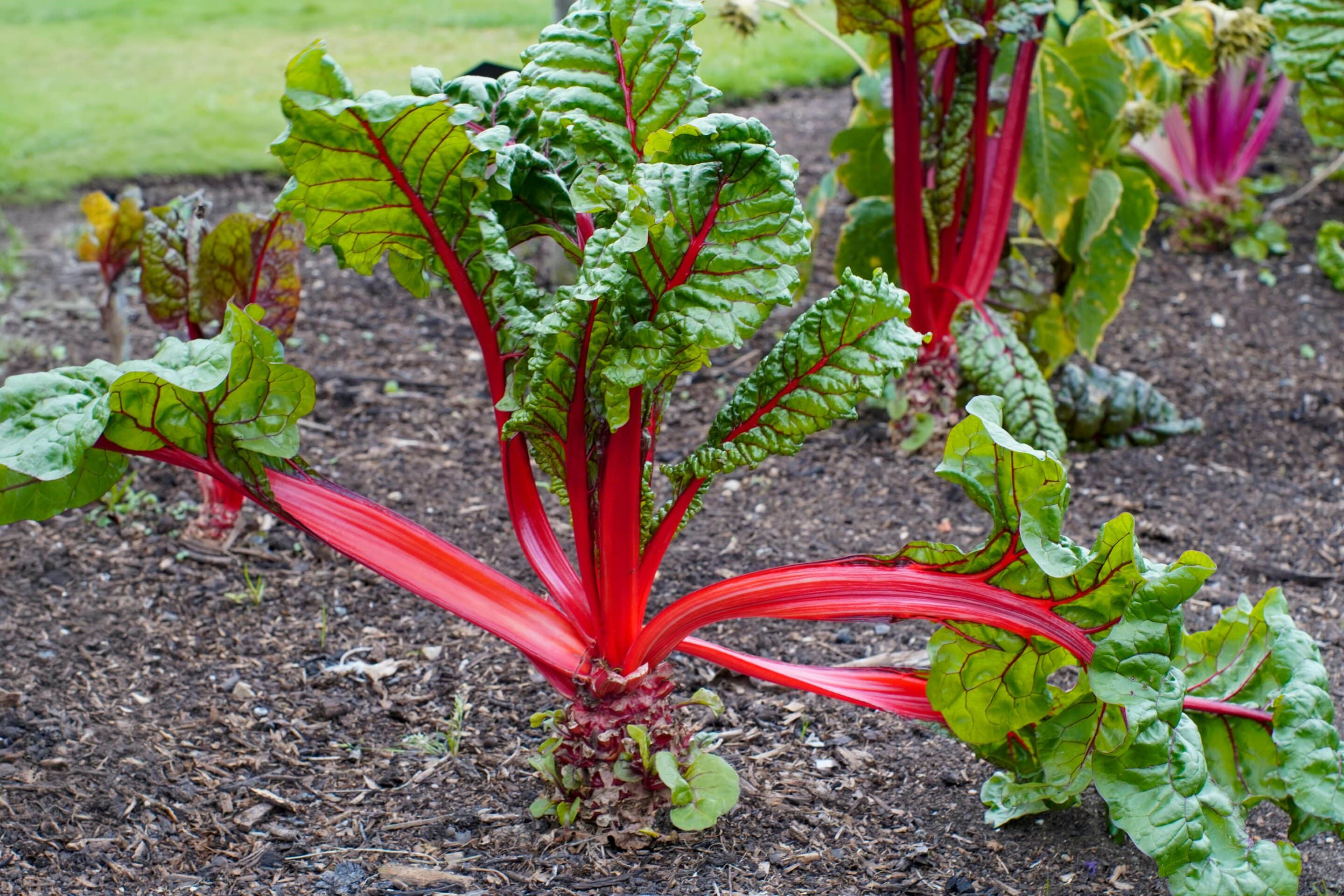
We know it seems early to be thinking about your winter garden, but August and September are the best months for planting broccoli, kale, cabbage and cauliflower.
- Best Winter Veggies to Plant Now: Broccoli, kale, cabbage, cauliflower.
- Bay Area Planting Window: Mid-August through late September.
- Key Challenge: Managing late-summer afternoon heat waves
If your garden is anything like ours, the tomatoes you planted back in June are just now starting to fruit and ripen. But it’s still time to find room in your beds for the winter vegetables.
Why tomatoes are delayed
Bay Area gardeners are noticing this trend across the peninsula and it’s due to a relatively cool summer, with only a couple of heat waves. The marine layer came early and stayed, which cut down on both heat and sun the tomatoes need to set.
You can help speed up ripening by pruning the inner, lower and sucker branches to allow more sunlight to hit the new tomatoes for longer each day.
Are you accidentally overwatering?

Why August is the Perfect Time to Plant Winter Veggies
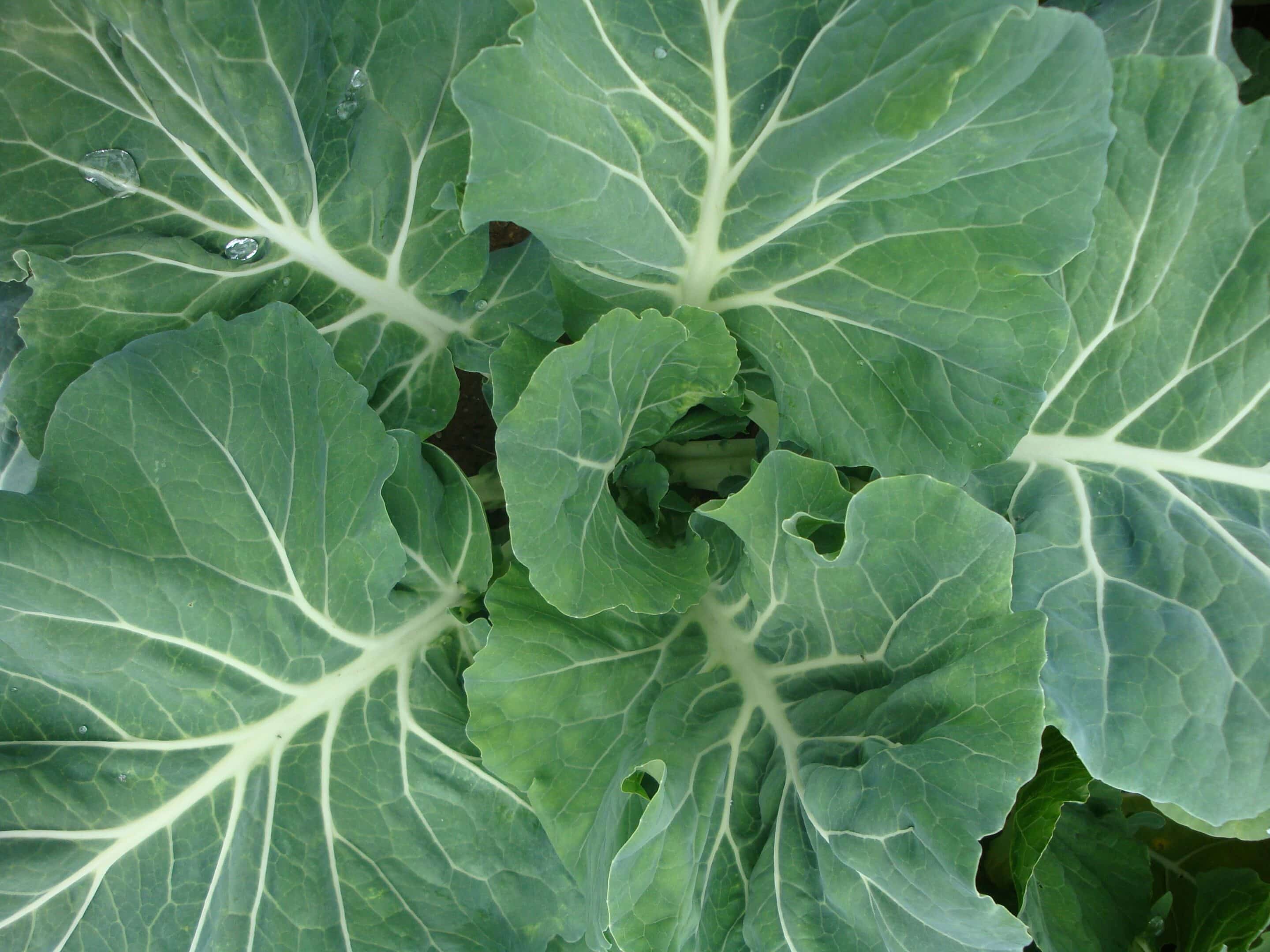
Whether you live in the foggy microclimates of the Coastside or the warmer inland areas of the Peninsula, your winter vegetables need a strong head start. Planting between mid-August and late September takes advantage of summer warmth and helps your new plants or seedlings establish roots while there’s plenty of light and heat.
Growing from seeds
Or you can plant your seeds outside in the ground, but if you do, you must be sure to keep that top layer of soil moist at all times. We recommend watering seeds three times a day in the early morning, at noon and in the evening.
Our Half Moon Bay, Linda Mar (Pacifica) and Redwood City nurseries all have winter vegetable seeds and starter plants in stock. Come on in and our garden experts can help you.
How to protect seeds from late summer heat waves
-
- Drape a 40% to 50% shade cloth over your garden beds.
- Make sure it blocks the harshest sunlight between 12:00 PM and 4:00 PM to prevent your tender young plants from getting sunburned.
You’ll need to keep your freshly planted seeds and young roots damp so they don’t dry out and die. We love a good timer for this. For watering seedlings, which require frequent, short bursts of moisture to stay damp without flooding, we recommend a digital programmable hose-end timer like the Orbit Programmable 1-Zone Sprinkler Timer or the Raindrip Programmable 1-Zone Water Timer.
-
- The Goal: Keep the very top layer of soil constantly damp without washing the seeds away.
- The Schedule: Run your timer 3 times a day for just 3 to 5 minutes per session.
- Best Times: Run at 8:00 AM, 12:00 PM, and 3:00 PM to combat peak evaporation.

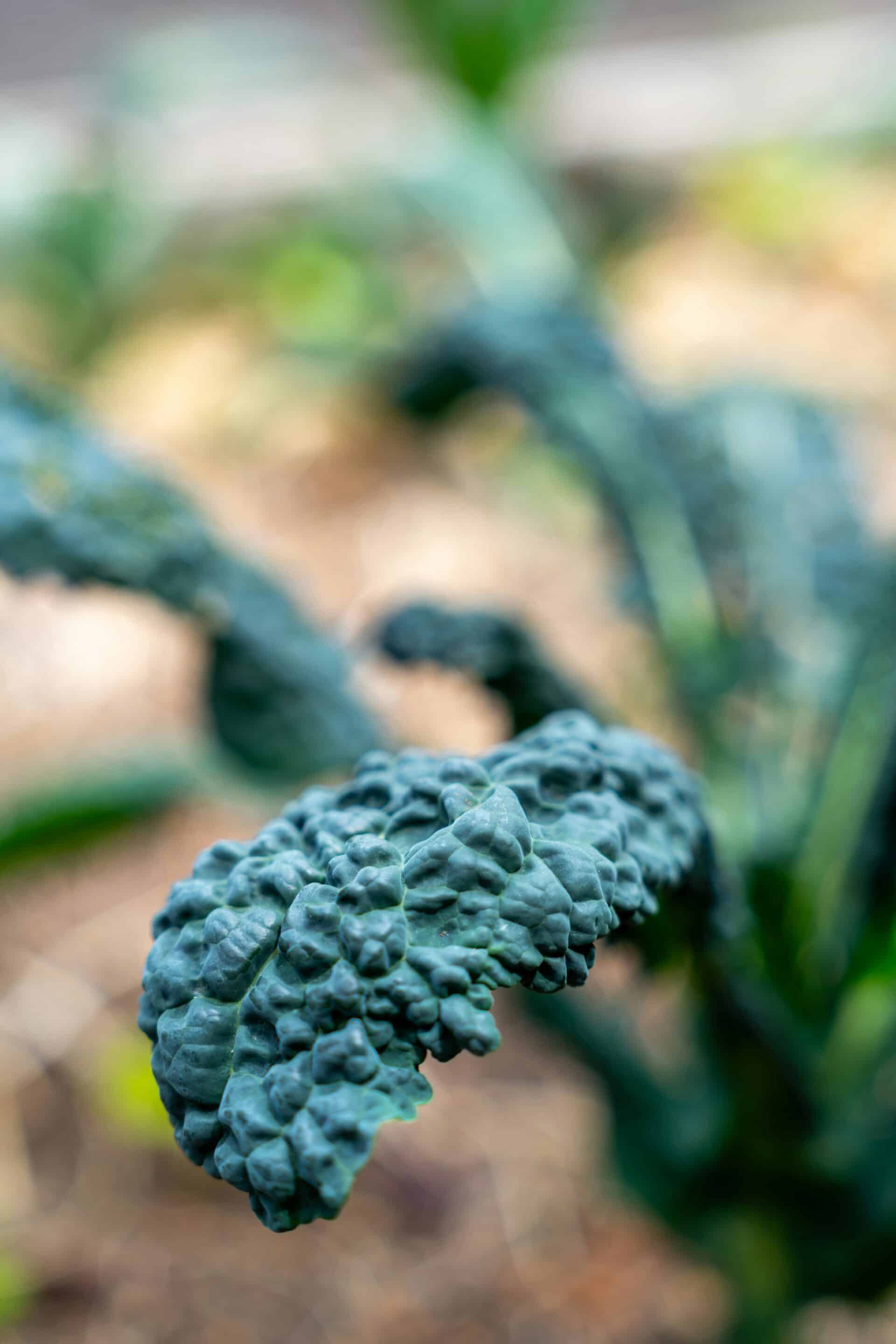
Growing starter plants
-
- The Goal: Force the roots to grow deep into the ground where the soil stays cool.
- The Schedule: Run your drip lines or soaker hoses once a day for 15 to 20 minutes, unless it’s very hot and then you’ll need to check the soil and maybe water twice a day, morning and night.
- Best Time: Water in the morning around 6:00 AM so the plants are fully hydrated before the heat hits. Check the soil in the evening, if it’s dry, you need to water in the evening as well.
The golden rule
Do not set it and forget it. If the Bay Area gets a late-summer heatwave, you will need to check your garden and potentially water more or offer more shade. If the coastal fog rolls in and stays all day, you’ll want to turn the timer off for 24 hours to prevent root rot.
To mulch or not to mulch
-
- For Starter Plants: Spread a 1 to 2-inch layer of straw or compost around your seedlings. Keep the mulch an inch away from the main stem to prevent rot.
- For Seeds: Don’t cover seeds with heavy mulch. Instead, cover the seed rows with a very thin dusting of fine compost so the tiny sprouts can easily push through.